
The evolution of gambling a historical perspective
The Origins of Gambling
The practice of gambling dates back thousands of years, with evidence found in ancient civilizations such as Mesopotamia and China. The earliest known gambling devices, such as dice, were crafted from animal bones and were used in games of chance. These early forms of gambling played a significant role in cultural rituals and social bonding, demonstrating humanity’s intrinsic affinity for risk and reward. Today, players can explore various online experiences like the Chicken Road game Bangladesh, which showcases the blend of luck and strategy.
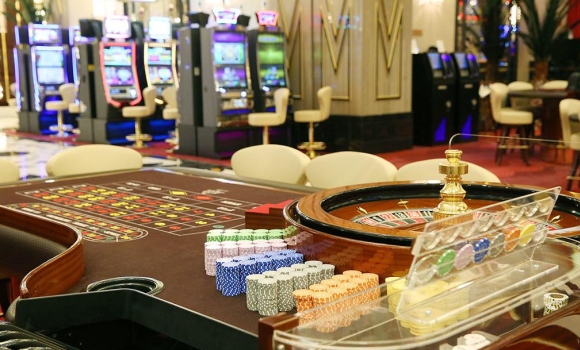
As societies developed, so did gambling activities, evolving from simple games into more complex systems. The introduction of betting on events, particularly in ancient Rome and Greece, marked a significant transition. Gladiator games and chariot races drew considerable attention, with spectators wagering on their favorite competitors, further intertwining gambling with entertainment.
The Middle Ages and Gambling Evolution
The Middle Ages saw a decline in gambling practices, primarily due to the influence of the Church, which condemned games of chance as sinful. However, as the social fabric began to change, so did attitudes toward gambling. By the late Middle Ages, card games gained popularity, particularly in Europe, with games like Tarot influencing modern card playing.
The introduction of lotteries during this period also signaled a shift. Governments began to organize state-sponsored lotteries as a means of raising funds, providing a legal outlet for gambling that aligned with public interests. This duality of gambling as both entertainment and a revenue source laid the foundation for its future commercialization.
The Rise of Casinos
The 17th and 18th centuries marked the birth of casinos, particularly in Italy, where the first official gambling houses emerged. These establishments catered to the elite, offering sophisticated games such as roulette and baccarat. The allure of casinos soon spread throughout Europe, evolving into social hubs where the upper class indulged in gaming while networking and socializing.
By the 19th century, gambling made its way to America, where riverboat casinos became prevalent along the Mississippi River. The Gold Rush further fueled gambling’s popularity, with adventurers betting on games in saloons. This era solidified gambling as a fundamental aspect of American culture, setting the stage for its expansion into the modern world.
The Modern Era of Gambling
The late 20th century brought significant changes to the gambling landscape, driven by advancements in technology and shifts in legal frameworks. The establishment of Las Vegas as a gambling capital transformed the perception of casinos from exclusive venues to mainstream entertainment destinations. The introduction of slot machines, blackjack, and poker rooms attracted a broader audience, making gambling accessible to the masses.
Online gambling emerged in the late 1990s, revolutionizing the industry by allowing players to engage in betting from the comfort of their homes. This shift not only expanded the gambling demographic but also introduced new forms of gaming, such as sports betting and virtual casinos, thereby reshaping the gambling experience in the digital age.

The Future of Gambling
The landscape of gambling continues to evolve with advancements in technology and changing societal attitudes. The rise of mobile gaming and live dealer options has transformed how people interact with gambling platforms. Additionally, the incorporation of virtual reality and augmented reality in gaming is set to redefine the experience, making it more immersive and engaging.
As more jurisdictions legalize gambling and regulate online platforms, the industry is poised for unprecedented growth. This evolution reflects not only advancements in technology but also a shift in public perception, as gambling becomes increasingly accepted as a legitimate form of entertainment. Celebrity gamblers are increasingly becoming a part of this trend, attracting attention and new players to various gaming experiences.
